Walter Boudreau
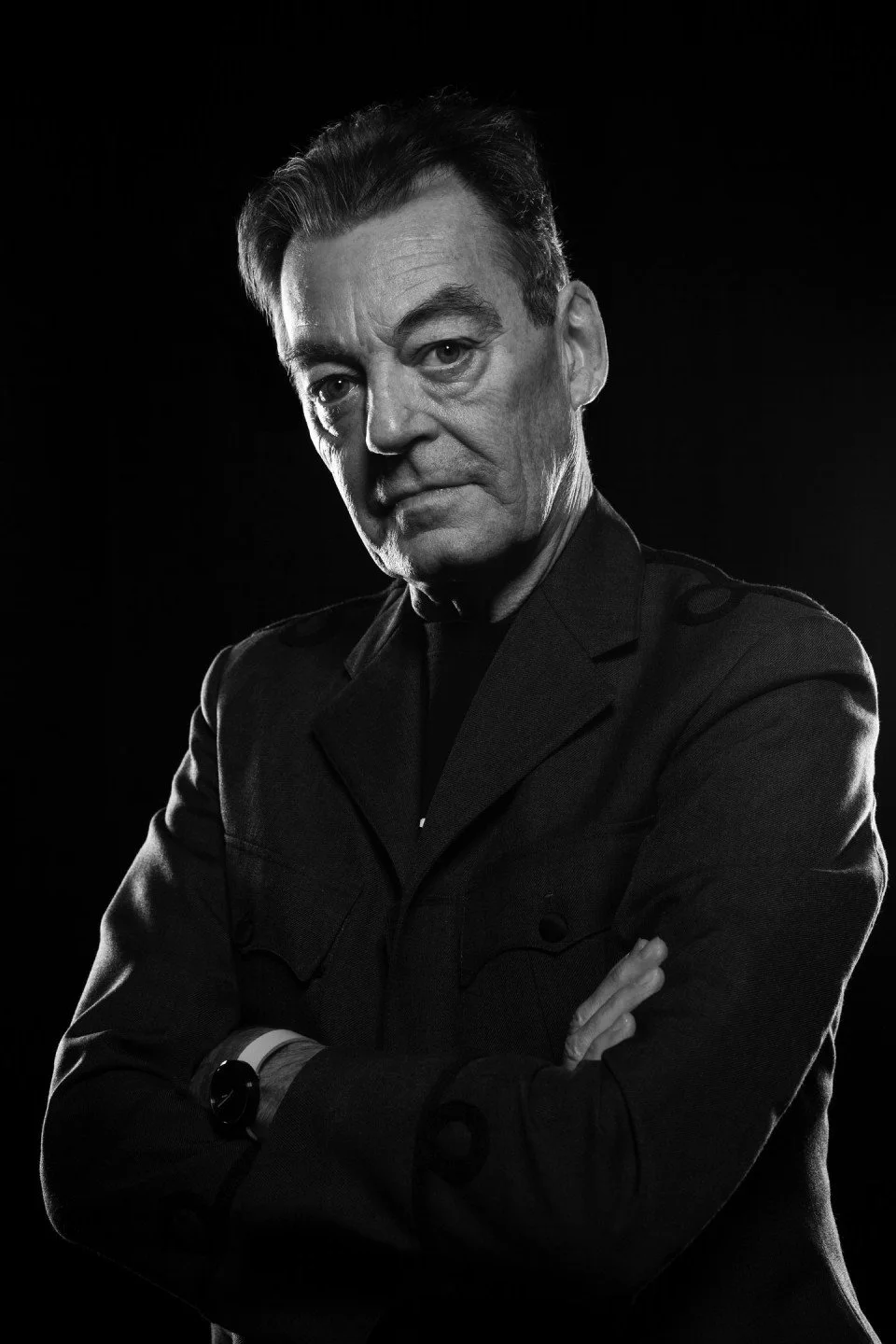
Walter Boudreau
The “enfant terrible” of contemporary music in Quebec, composer and conductor Walter Boudreau has created over sixty works for various types of ensembles, as well as a good number of film, theatre and ballet scores. Known to the general public through his collaborations with poet Raôul Duguay in the Infonie group in the 1970s, he quickly made his mark in the world of “serious” music after studying with Gilles Tremblay, Bruce Mather and Serge Garant, then taking courses with Kagel, Stockhausen, Ligeti, Messiaen, Xenakis and Boulez.
For several years, Boudreau had been working as an occasional conductor for the Société de musique contemporaine du Québec (SMCQ) when, in 1988, he was appointed artistic director. From his earliest years, he proposed programmes of a new eclecticism, and initiated unique projects that helped anchor the institution in the cultural milieu. These include the monumental Symphonie du Millénaire (Millennium Symphony, 2000), the creation of the biennial international festival Montréal/New Music (MNM, since 2003), and the Homage Series for our composers (since 2007). After 33 years, in 2022, Walter Boudreau leaves the artistic direction of the SMCQ to devote himself to musical composition.
Through all these activities, Walter Boudreau has never ceased to be productive as a composer, accumulating commissions from all horizons — including the highly acclaimed Concerto de l’asile, written for pianist Alain Lefèvre and the Orchestre symphonique de Montréal (2013). The recipient of numerous prestigious awards, his contribution as both composer and artistic director has been widely acclaimed.
“Imagine a cross between Xenakis, Frank Zappa and Pierre Boulez… The raw energy of the first, the iconoclastic strangeness of the second and the tight construction of the third… Nervousness, electricity, power, breath, complexity down to the microcosm: this is the Walter Boudreau of L’Odyssée du soleil and Demain les étoiles. Add the irreverent complicity of poet Raôul Duguay and you have Golgot(h)a.”